
The Art and Science of Prompt Engineering: Why Every AI Tool Needs It

PROMPT ENGINEERING EXPERT As artificial intelligence (AI) continues to reshape industries, a new field has emerged at the heart of its functionality—prompt engineering. This essential practice determines how effectively generative AI tools such as ChatGPT, Midjourney, Claude, and others perform. Although often overlooked, the ability to craft precise prompts is the difference between mediocre and exceptional AI output. This guide explores the pivotal role of prompt engineering in unlocking AI’s full potential and why every AI system depends on it.Digital Marketer Professional. 1. Understanding Prompt Engineering: A New Digital Literacy Prompt engineering is the structured practice of creating effective inputs—or “prompts”—that guide AI models to generate desired outcomes. Unlike traditional programming, which relies on syntax and logic, prompt engineering operates within the realm of natural language. It combines human intuition with technical precision to interact with generative AI systems. In 2025, prompt engineering is considered a core competency for professionals working with AI. As language models become more accessible across industries, the skill of instructing them with clarity, creativity, and structure is not only valuable but indispensable. 2. Why Prompt Engineering Matters in the AI Ecosystem At its core, prompt engineering bridges the gap between human intent and machine interpretation. AI models are only as good as the instructions they receive. Poorly designed prompts can lead to inaccurate, irrelevant, or biased outputs, while well-crafted prompts deliver highly relevant and creative responses. This matters across sectors—from marketing and healthcare to education and legal tech. Professionals who master prompt engineering can transform AI from a novelty into a productive, reliable tool that adds real value to workflows and decision-making processes. 3. The Science Behind Effective Prompting Behind every effective prompt lies a framework grounded in logic, structure, and experimentation. The science of prompt engineering involves testing variables such as tone, format, context, constraints, and temperature settings (in the case of generative models). These technical factors significantly influence output accuracy and consistency. Moreover, advanced prompt engineering includes techniques like zero-shot, few-shot, and chain-of-thought prompting. These methods provide the AI model with context, examples, or reasoning steps, improving its ability to deliver precise and nuanced answers. 4. The Art of Prompting: Creativity Meets Communication Prompt engineering is not just a technical task; it is also a creative process. The art of prompting lies in framing questions or tasks in ways that evoke the best from an AI model. This often requires experimentation, empathy, and an understanding of language nuance. For example, a creative writer using AI to generate story ideas must know how to prompt the system for tone, pacing, and character development. Likewise, a digital marketer must phrase prompts that yield SEO-optimized headlines, calls to action, or email subject lines. Thus, effective prompt engineers become co-creators alongside machines. 5. Common Challenges in Prompt Engineering While the field offers incredible promise, it also comes with its share of challenges. One of the most common issues is prompt ambiguity, where vague or underspecified instructions lead to generic or irrelevant results. Additionally, context loss can occur in long multi-turn conversations, where the model forgets earlier parts of the prompt. Another major challenge is the ethical consideration surrounding bias in generative outputs. Prompt engineers must carefully test and refine prompts to reduce unintended bias and ensure inclusive, fair, and responsible outputs from AI tools. 6. Tools and Platforms for Prompt Engineers in 2025 As the importance of prompt engineering grows, so does the ecosystem of tools supporting it. Platforms like PromptBase, FlowGPT, and PromptHero allow users to buy, sell, and test prompt templates across AI models. Other tools, such as LangChain and AutoGPT, help developers integrate AI into applications using customized prompting techniques. Furthermore, visual prompt builders and collaborative AI tools now make it easier for non-developers to experiment with AI and fine-tune their prompts in real time. This democratization of prompt engineering is key to its widespread adoption. Conclusion: Mastering the Interface Between Humans and Machines Prompt engineering stands at the intersection of human creativity and machine learning. It transforms AI tools from passive responders into collaborative partners. As the field of artificial intelligence continues to expand across industries, prompt engineering will serve as the foundational skill that determines the success or failure of AI-driven initiatives. Whether you’re a developer, writer, marketer, educator, or entrepreneur, learning the art and science of prompt engineering will elevate your ability to work with AI tools more effectively. In 2025 and beyond, every AI system—from chatbots to virtual assistants—will depend on it.
The Ultimate Guide to Freelance Digital Marketing in 2025
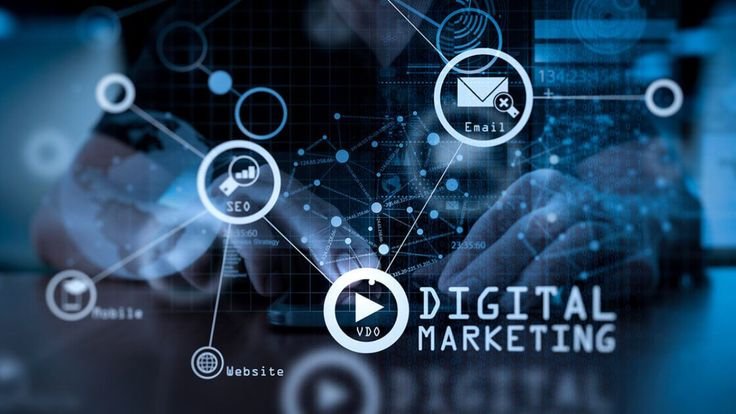
As businesses continue to pivot toward leaner, more specialized digital strategies, freelance digital marketing has become one of the most in-demand service sectors in 2025. With increased access to AI-powered tools, data-driven insights, and the ability to work remotely, freelance digital marketers are now playing a central role in helping brands reach, engage, and convert their target audiences. This comprehensive guide is designed for marketers who want to build a successful freelance career and for businesses that are considering outsourcing their digital marketing services. Let’s explore everything you need to know about the freelance marketing landscape in 2025—from essential skills to emerging trends. 1. What Is Freelance Digital Marketing? – Redefining the Modern Marketing Model At its core, freelance digital marketing refers to independent professionals offering marketing services on a contractual or project basis. Unlike traditional agency models, freelancers provide more flexibility, cost efficiency, and personalized strategies tailored to a client’s unique needs. In 2025, freelancers are no longer just an alternative to agencies—they are often the preferred choice. Many businesses now partner with freelance marketers to manage specific areas such as SEO, paid advertising, content marketing, or social media marketing, without the long-term commitments or overhead costs of hiring full-time staff. 2. Why Businesses Are Turning to Freelancers in 2025 As digital marketing becomes more complex, businesses seek specialized knowledge in areas like automation, performance tracking, and content strategy. Freelancers fill this gap by offering niche expertise and agile solutions. More importantly, they can adapt quickly to algorithm changes, consumer trends, and evolving platforms. Additionally, freelance professionals are known for their ability to deliver results quickly. This is particularly valuable for startups and small businesses that need visible returns without heavy upfront investment. The ability to scale services up or down depending on need is another key advantage driving the freelance marketing trend forward. 3. The Most In-Demand Freelance Digital Marketing Services With businesses prioritizing return on investment, certain digital marketing services are especially popular among clients hiring freelancers: SEO (Search Engine Optimization): Ensures websites rank well on search engines by optimizing content, metadata, and backlink profiles. Social Media Marketing: Involves managing brand presence on platforms like Instagram, LinkedIn, and Facebook. Email Marketing: Builds automated campaigns to nurture leads and improve customer retention. Pay-Per-Click (PPC) Advertising: Strategically places ads on Google, Meta, or YouTube for instant visibility. Content Marketing: Focuses on blogs, video scripts, and landing page content to educate and convert audiences. Freelancers often bundle these services or tailor packages to specific client goals, offering more value for money. 4. How to Start Freelance Marketing as a Career Starting a freelance career may seem overwhelming at first, but with the right steps, it becomes a rewarding journey. Begin by identifying your strengths—whether it’s SEO, email marketing, or graphic design—and build a portfolio showcasing your work. If you lack experience, consider offering free or discounted services to a few initial clients in exchange for testimonials. Next, create an online presence. A professional website, LinkedIn profile, and Instagram business page will help you attract potential clients. Don’t forget to clearly list your digital marketing services, along with pricing options and previous results. Over time, referrals and word-of-mouth will become powerful tools for client acquisition. 5. Building a Strong Personal Brand as a Freelancer In the freelance world, your personal branding is as important as your skillset. Clients don’t just hire services—they hire people they trust. A strong brand includes a professional logo, consistent visual identity, thought leadership, and testimonials that reinforce your credibility. To strengthen your personal brand, regularly share tips, case studies, and project results on LinkedIn or Instagram. You can also host free webinars or create downloadable guides to establish yourself as an expert in your niche. A trusted brand not only attracts more clients but also justifies higher service rates. 6. Trends Shaping Freelance Digital Marketing in 2025 To stay competitive, freelancers must embrace current digital marketing trends. Here are the top trends making waves in 2025: Voice Search Optimization: With more consumers using voice assistants, SEO strategies now include conversational keywords. AI-Driven Content Creation: Freelancers use tools like ChatGPT for idea generation, email writing, and ad copy. Short-Form Video Marketing: Platforms like TikTok, Reels, and YouTube Shorts are dominating brand engagement. Hyper-Personalization: AI allows you to segment and deliver content based on user behavior in real time. Sustainability & Ethical Branding: Consumers are drawn to freelancers who align with socially responsible practices. Adapting to these trends helps freelancers offer forward-thinking solutions to their clients. Conclusion: The Future of Freelance Digital Marketing Is Now Freelance digital marketing in 2025 is more than a side hustle—it’s a thriving, scalable career path for professionals who are adaptable, results-driven, and client-focused. Whether you’re offering SEO services, running ad campaigns, or managing social media platforms, success lies in your ability to stay updated, communicate effectively, and deliver real value. For businesses, hiring a freelance marketer means faster execution, lower costs, and tailored strategies. For marketers, it means freedom, growth, and the chance to build a personal brand while helping others succeed.
How to Use AI for Digital Marketing Success

AI DIGITAL MARKETING .Artificial Intelligence (AI) has revolutionized the digital marketing landscape. No longer just a futuristic concept, AI now empowers marketers to deliver smarter, faster, and more targeted strategies. In an era defined by personalization and automation, understanding how to use AI for digital marketing is no longer optional—it’s essential. This guide explores how businesses can leverage AI to enhance performance across all facets of digital marketing. From personalized content to predictive analytics, AI is transforming the industry from the ground up. 1. Understanding the Role of AI in Digital Marketing Before delving into applications, it’s crucial to understand the role AI plays in the digital marketing ecosystem. AI refers to machines or algorithms that mimic human intelligence, enabling them to analyze data, make decisions, and even predict future outcomes. In digital marketing, AI tools assist with data-driven tasks such as customer segmentation, content creation, performance optimization, and automated communication. These capabilities allow businesses to operate more efficiently and create more personalized experiences for their audience. 2. Enhancing Customer Experience Through AI One of the most impactful ways to use AI for digital marketing is in enhancing the customer experience. AI-powered chatbots, for example, provide instant, 24/7 customer support, resolving queries and guiding users down the sales funnel without human intervention. Additionally, AI enables hyper-personalization. It analyzes user behavior, demographics, and preferences to tailor messages and content in real-time. As a result, customers receive more relevant recommendations, improving satisfaction and loyalty. 3. Predictive Analytics: Anticipate Customer Behavior Predictive analytics, powered by AI, allows marketers to forecast future behavior based on historical data. This technique identifies trends and patterns that help predict what a customer might do next, from making a purchase to unsubscribing from a newsletter. With this insight, marketers can proactively adjust their strategies. For instance, AI can signal when a user is likely to churn, allowing companies to implement retention campaigns in advance. In short, predictive analytics sharpens decision-making and maximizes ROI. 4. Personalized Content Creation at Scale Content remains the cornerstone of digital marketing, but AI now enables businesses to generate personalized content faster and more accurately than ever. Tools like natural language generation (NLG) allow for the automated creation of emails, product descriptions, and even blog articles. More importantly, AI systems can analyze user preferences and content engagement to suggest or create content that resonates with specific segments. This ensures that content remains relevant, timely, and effective in driving conversions. 5. Optimizing Paid Advertising with AI AI has transformed paid advertising by improving targeting precision and campaign performance. With machine learning algorithms, platforms like Google Ads and Facebook Ads automatically optimize bids, placements, and creatives based on performance data. Furthermore, AI tools can analyze massive datasets to identify high-performing ad combinations and recommend adjustments in real-time. This automation reduces wasted spend, increases click-through rates, and ensures ads reach the most receptive audience. 6. Voice Search and AI in SEO Strategy Voice search is on the rise, and AI plays a key role in adapting SEO strategies for this evolving trend. AI-powered tools like Google’s RankBrain analyze and interpret voice queries, which tend to be longer and more conversational. To stay competitive, marketers must use AI-driven keyword research tools that uncover long-tail and voice-search-optimized phrases. AI also assists in semantic search optimization, helping content rank higher by understanding user intent rather than just keywords. Conclusion: Embracing the AI-Powered Marketing Era The question is no longer if businesses should use AI for digital marketing—it’s how. As this technology continues to evolve, those who adapt early will gain a significant competitive advantage. Whether you’re a small business owner or a corporate strategist, integrating AI into your digital marketing workflow can yield substantial returns. From personalizing customer journeys to optimizing ad spend and predicting future behavior, AI offers powerful solutions that drive measurable success. But remember, the key lies in strategic implementation. When used wisely, AI not only enhances marketing performance—it redefines what’s possible.